2026’s 3D animation slots are open. Book your free consultation now.

Anonymized Automation Case Study for Medical Devices
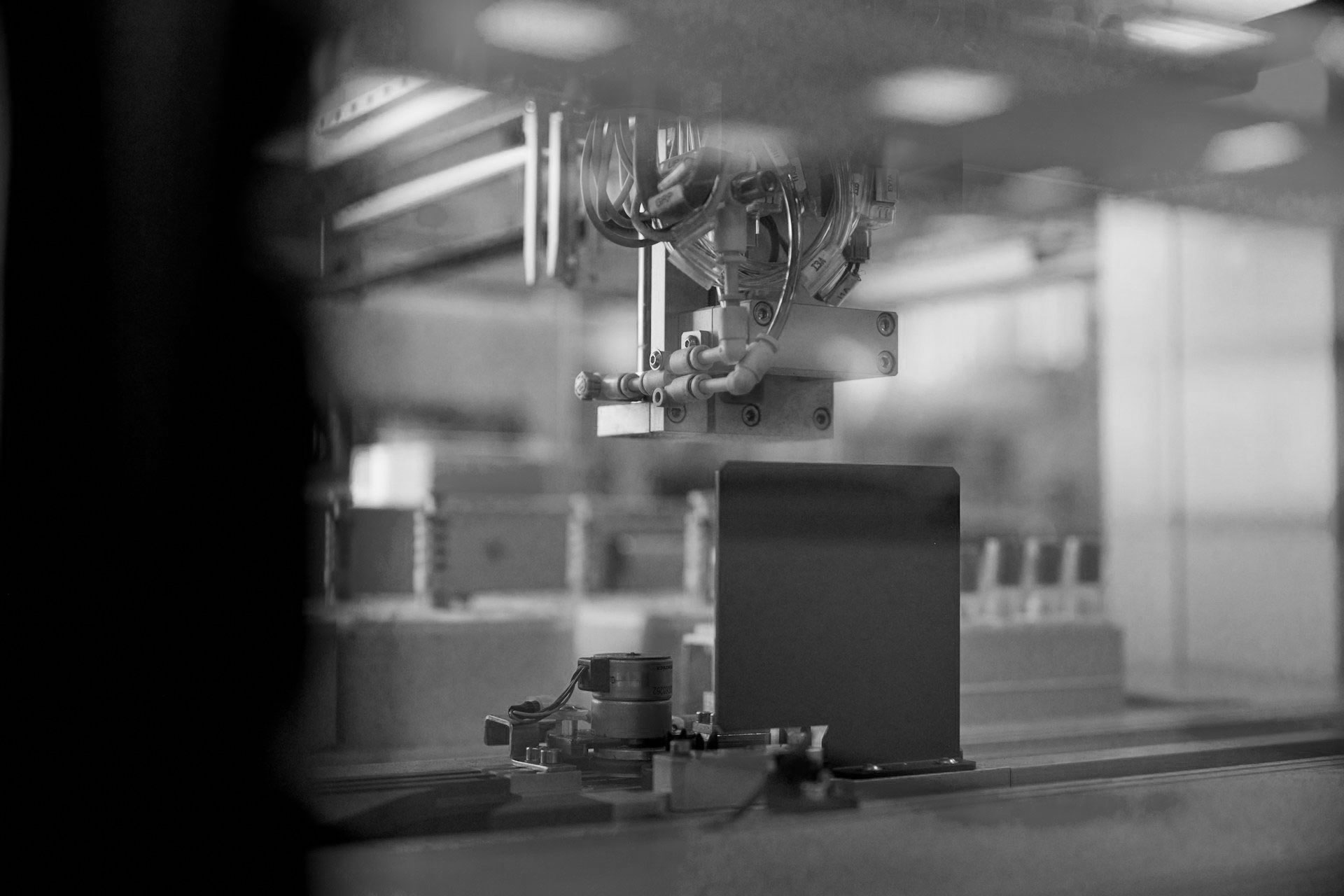
Automation Medical Device Case Study Using 3D Animation
In automation and medical manufacturing, explaining complex machines clearly is often harder than building them.
This case study is based on an actual project where 3D animation was used to support exhibitions, marketing, and product understanding for a Malaysia-based automation manufacturer serving the medical device industry.
Client Background
The client is a home-grown Malaysian automation company providing advanced automated manufacturing and testing solutions. Their systems are widely used in medical device production and assembly, where accuracy, compliance, and clarity are essential.
They recently developed:
- A new medical device product line
- Multiple medical device assembly machines
The challenge was how to present these systems effectively at exhibitions and customer meetings.
The Exhibition Challenge
Bringing machines to exhibitions created several problems:
- Machines were large and expensive to transport
- Some units were for presentation only, not operational
- Visitors struggled to understand processes from static displays
- Booth engagement depended heavily on verbal explanation
They needed a better way to attract attention, explain processes, and build trust.
Our Visual Strategy
15-Second Impact Animation
We began with a 15-second cinematic animation designed for:
- Large LED exhibition screens
- Loop playback
- Immediate visual impact
15-Second Impact Animation
This sequence focused on:
- Lighting and colour contrast
- Machine form and precision
- Clean, premium industrial visuals
The goal was simple: make people stop walking.
Understanding Before Production
Before animation began, we spent significant time understanding the machines.
This included:
- Production and site visits
- Process walkthroughs with the engineering team
- Clarifying how each system operates in real production
Even though the production process itself was not the most technically challenging, accuracy and credibility were critical, especially for medical applications.
Documentation & 3D File Preparation
Like most automation manufacturers, the client already had engineering-grade 3D files.
Our role was to:
- Review existing CAD data
- Convert files into animation-ready formats
- Preserve engineering accuracy while optimizing visuals
This ensured the animation matched real-world machines.